
A Popular Path to a Perfect Smile
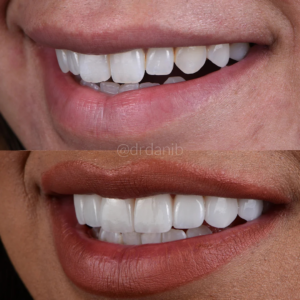
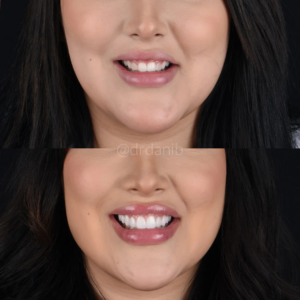
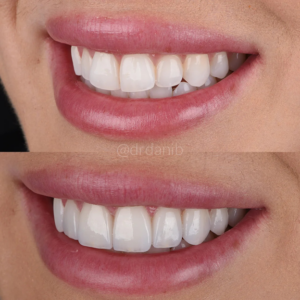
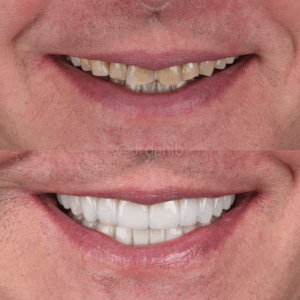
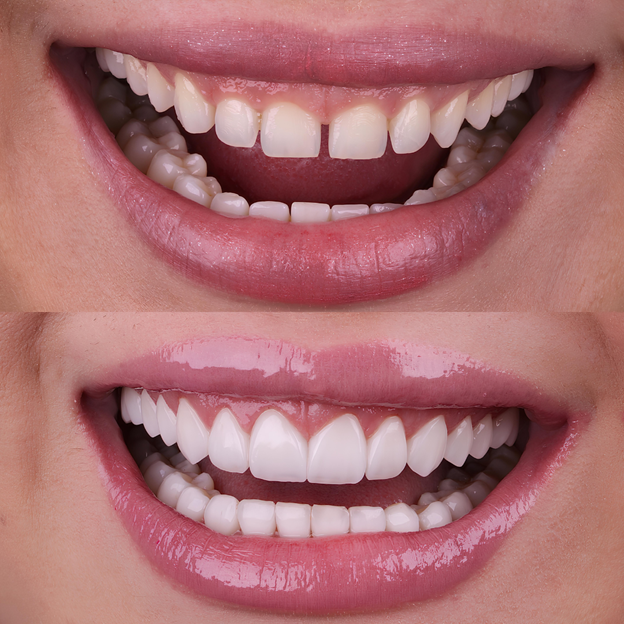
A confident smile is one of the greatest assets a person can possess, and modern dentistry offers incredible ways to achieve it. Among the available treatments, dental veneers are among the most sought-after cosmetic dental options for transforming smiles. These thin, custom-made shells offer powerful correction for a variety of aesthetic issues, including stubborn discoloration, minor chips, uneven spacing, and shape irregularities, with remarkably natural-looking results.
Yet, as people consider this smile transformation, one important question is often asked before committing to the procedure: Do veneers require shaving your teeth?
This question touches on a widespread concern, often fueled by older information or misinformation. For those searching for a cosmetic dentist in Los Angeles, understanding the truth about veneer preparation is important. This article will explain what really happens during the veneer process, the different types available, and how modern dentistry uses conservative techniques to minimize enamel removal.
What Veneers Are and How They Work
Dental veneers are custom-made shells, designed to be very thin, that are placed over the front surface of your teeth to dramatically improve appearance.
The most common types of veneers in Los Angeles are:
- Porcelain Veneers: These are thin shells of medical-grade ceramic. They are highly durable, exceptionally stain-resistant, and mimic the translucency of natural tooth enamel, making them the standard for cosmetic excellence.
- Composite Veneers: These are made from a tooth-colored resin material that is applied and sculpted directly onto the tooth surface by the dentist, often with minimal or no enamel preparation.
Also Read: Types Of Veneers
Why Some Tooth Preparation Is Needed
The term “shaving” can sound dramatic, but in the context of the veneer process, it simply refers to removing a very thin layer of enamel—not cutting the tooth down. This gentle trimming is called veneer preparation.
The Purpose of “Shaving”
The primary reason for removing a small amount of enamel is not to change the tooth’s structure, but to create space for the veneer material. This allows the finished veneer to sit perfectly flush with the gumline and the surrounding teeth, avoiding a bulky or unnatural appearance. Typically, only 0.3 to 0.7 millimeters of enamel is removed.
Why It’s Necessary for Most Veneers
When you are considering porcelain veneers, especially in cases where teeth are slightly misaligned or bulky, the slight reduction of enamel is performed for several important reasons:
- It establishes the space needed so the new veneer does not protrude.
- It allows for bonding between the veneer and the tooth, protecting its long-term stability and life.
- It allows for the best color blending and alignment, so the veneers look natural and beautiful.
How Much Shaving Is Actually Done?
For anyone asking: Do veneers require shaving your teeth in Los Angeles? The answer is that the amount removed is far less than you might imagine.
Minimal and Conservative Approach
A cosmetic dentist in Los Angeles who is experienced in the field uses highly precise digital tools and conservative techniques to remove only the smallest amount of tooth structure necessary to achieve a beautiful result. Many patients are surprised by how gentle the veneer preparation is compared to their assumptions based on outdated methods. Local anesthesia may be used for patient comfort, though many report feeling little actual discomfort during the reshaping portion of the treatment.
Factors That Influence Preparation
The amount of enamel that needs to be removed depends entirely on the individual and the smile goals:
- Current Shape and Alignment: Teeth that are already slightly protruding or misaligned will require slightly more reduction to achieve a straight, uniform result.
- Type of Veneer Chosen: Porcelain veneers generally require more preparation than composite to account for the material’s thickness.
- Desired Cosmetic Outcome: Making a significantly darker tooth appear bright requires more space to layer the porcelain more efficiently.
No-Prep and Minimal-Prep Veneer Options
Not all veneers are created equal, and not all require shaving your teeth in Los Angeles. Modern dentistry offers conservative choices.
What Are No-Prep Veneers?
Some brands of veneers, often called no-prep veneers, such as Lumineers, are ultra-thin and require little to no enamel removal. They are an attractive choice for patients with small teeth, minor discoloration, or spacing that allows the veneer to be placed without any significant reshaping.
Limitations of No-Prep Veneers
While appealing, no-prep veneers may not suit every case. They may not be suitable for correcting cases with crowding, large teeth, or significantly darker discoloration. If the enamel is not slightly adjusted, the no-prep veneer can sometimes look or feel slightly thicker on the tooth.
The Middle Ground: Minimal-Prep Veneers
Many of the most natural-looking results are achieved with minimally invasive veneers in Los Angeles. These ultra-thin porcelain veneers combine the durability and beauty of porcelain with conservative preparation. Cosmetic dentists today use digital imaging and wax models to plan precisely how much enamel, if any, should be reduced to provide a seamless, beautiful result. When patients ask how much enamel is removed for veneers, the answer for ultra-thin veneers is often just enough to make a minor surface change.
Also Read: Demystifying the Myths Surrounding No-Prep Veneers: What You Need to Know
Step-by-Step: What Happens During the Veneer Process
The veneer process at a qualified dental office typically follows these steps:
- Consultation and Digital Smile Design: The dentist uses photos and digital assessment tools to discuss goals and present a mock-up of the patient’s expected results.
- Tooth Preparation: Gentle reshaping of the enamel is performed only if needed to establish the correct amount of space. This is where the term “teeth-shaving veneers” applies.
- Impressions or Digital Scans: A model of the prepared teeth is created and sent to the dental lab.
- Temporary Veneers (Optional): The patient may wear temporary veneers while the permanent ones are crafted by the lab.
- Final Bonding: The permanent porcelain veneers are adjusted, color-matched, and bonded securely to the teeth.
Myths About Veneer Preparation
Despite the facts, old myths still exist regarding veneer preparation:
- Myth: “Your teeth are filed down to stubs.”
- Fact: Only a thin layer of enamel is gently smoothed to make space for the veneer. The vast majority of the tooth structure remains.
- Myth: “Veneers ruin natural teeth.”
- Fact: When the procedure is done correctly by an experienced cosmetic dentist in Los Angeles, veneers protect the underlying enamel and can even strengthen the tooth’s surface by providing a durable shield.
- Myth: “You’ll always need to replace them frequently.”
- Fact: High-quality porcelain veneers can last 10–15 years or longer with appropriate care.
Long-Term Benefits of Properly Prepared Veneers
When veneer preparation is handled by an experienced cosmetic dentist in Los Angeles, the results offer lasting benefits beyond cosmetics:
- Natural Look and Feel: Modern veneers mimic real enamel, so they look and feel like natural teeth.
- Durable and Stain-Resistant Surface: Porcelain veneers are highly stain-resistant, maintaining their bright color for years.
- Protection: They can protect minor cracks or wear on the natural tooth from worsening.
- Confidence Boost: A long-lasting transformation often significantly improves self-confidence.
Caring for Veneers After Placement
Caring for your new smile is straightforward and should be a continuation of good habits:
- Daily Hygiene: Continue brushing and flossing daily with non-abrasive toothpaste.
- Avoid Misuse: Avoid using your teeth as tools on nonfood items, and be mindful when eating hard foods and substances, such as ice and hard candies.
- Routine Visits: Schedule routine cleanings and exams with your dentist. They make sure the veneers and surrounding gums stay healthy.
- Protect Against Grinding: Use a nightguard if you grind your teeth to protect your veneers from potential damage while you sleep.
Also Read: Smile with Confidence: How to Care for Your Veneers
When to Consider Veneers (and When to Wait)
Ideal Candidates:
- Have healthy gums and sufficient enamel to support the veneer.
- Want to correct discoloration, minor gaps, or shape irregularities that affect the appearance of their smile.
- Prefer a long-term cosmetic solution over shorter-term choices like whitening or bonding.
Situations to Postpone Treatment:
- Active decay or gum disease must be corrected before veneers can be placed.
- Severe misalignment or bite problems may require prior orthodontic treatment.
Conclusion: Precision, Not Aggression, Defines Modern Veneers
The answer to the question, Do veneers require shaving your teeth in Los Angeles, is yes. Often, a small amount of veneer preparation is needed, but this process is conservative, safe, and designed to protect your natural teeth while achieving beautiful, lasting results. The minimum amount of teeth-shaving veneers is carefully planned and performed only when necessary to achieve a natural appearance.
Choosing a skilled cosmetic dentist in Los Angeles is the best decision you can make to ensure your veneer process is as minimally invasive as possible while delivering the gorgeous smile you desire.
If you are ready to explore how veneers would work for you, call Dr. Dani B. today!