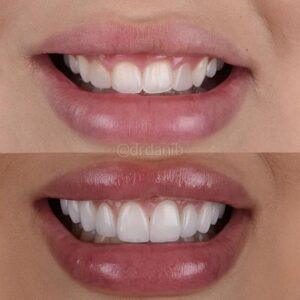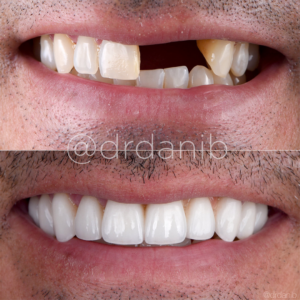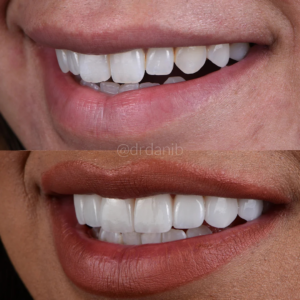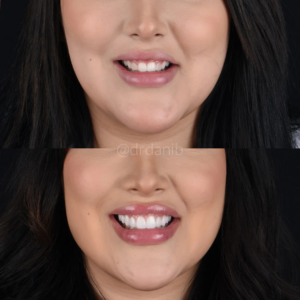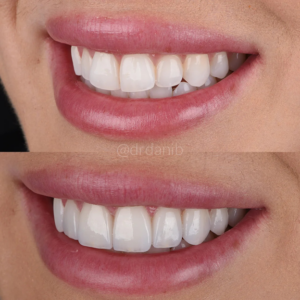

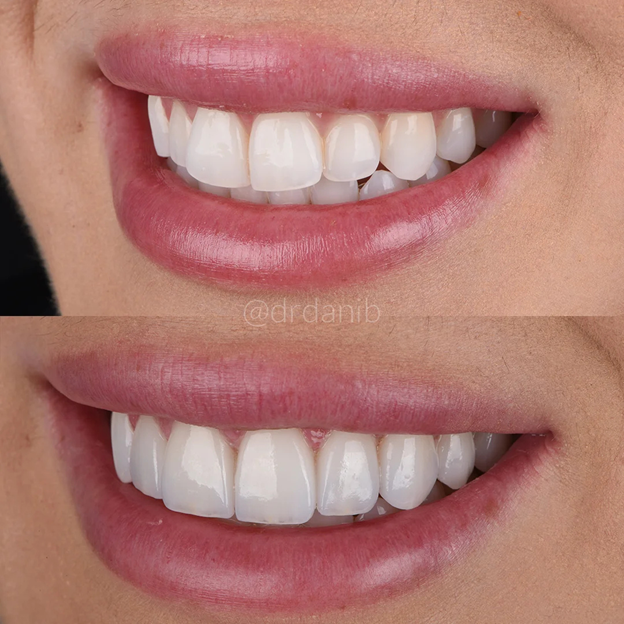
When you walk into a cosmetic dental office in Los Angeles, one of the first questions you likely have is, “How many veneers do I actually need?” It is a logical starting point for anyone looking to change their appearance. At Dr. Dani Benyaminy’s office, the conversation begins by looking beyond the smile. Dr. Dani B. believes that the best veneer work is the kind that no one realizes you had done.
Most of this curiosity stems from caution. There is a common fear of the overdone or artificial look, the kind where the teeth appear too bulky or blindingly white for the person’s face. Achieving a result that looks like you were simply born with a beautiful smile is about balance, not just brightness. The number of veneers is a design choice intended to create harmony among your teeth, lips, and facial structure.
Why There’s No One-Size-Fits-All Answer
If every mouth were shaped exactly the same, cosmetic dentistry would be much simpler. However, every smile has a different shape, width, and level of symmetry. As a result, there is no single number that works for everyone.
- Face Shape: A person with a wider jaw may require more veneers to fill out the corners of the mouth compared to someone with a narrow, oval face.
- Lip Movement: How your lips move when you talk or laugh dictates how much “real estate” is visible.
- Bite: The way your upper and lower teeth meet influences the size and placement of porcelain.
Copying someone else’s smile, whether it’s a friend or a celebrity, rarely works because their proportions are not yours. A custom plan is the only way to ensure the result looks like it belongs to you.
The Role of the “Smile Zone”
Veneer specialists often refer to the “smile zone” when planning a transformation. This is simply the area of your mouth that people see when you are being expressive.
To find your smile zone, look in a mirror and give a big, natural laugh. Which teeth show at the very edges? For some, only the front six teeth are visible. For others, a wide grin reveals eight or ten teeth on the top. If you place veneers only on the front four teeth and have a wide smile, the natural teeth behind them may appear darker or yellower by comparison. The objective is to make the transition between porcelain and natural enamel completely invisible.
Common Veneer Ranges and What They Achieve
While every mouth is unique, most treatments in Los Angeles fall into these common ranges:
2–4 Veneers
This range is used for small cosmetic fixes rather than a full transformation. It is perfect for:
- Closing minor gaps between the front teeth.
- Smoothing chipped or uneven edges.
- Correcting a single tooth that is slightly turned or discolored.
This is the best path for subtle refinement where you want to keep as much of your natural look as possible.
6–8 Veneers
This is the most common range for those seeking a natural-looking transformation. By covering the “social six” (canine to canine) or including the first premolars, a veneer specialist can improve symmetry and brightness across the entire front of the smile. This is ideal for patients who want a significant change without looking as if they have had work done.
10–12 Veneers
Full smile zone coverage usually involves 10 to 12 veneers on the upper arch. This is chosen when the teeth vary widely in shape, color, or alignment, or when a patient has a very wide smile. It provides a seamless transition from one side of the mouth to the other, creating a dramatic but still balanced result.
Also Read: How Porcelain Veneers Improve Your Smile
What “Natural” Really Means in Cosmetic Dentistry
A common mistake is assuming that “natural” means “perfect.” In reality, natural teeth have character.
- Texture: Real enamel isn’t perfectly flat; it has tiny ridges that catch the light.
- Translucency: Teeth are slightly clear at the edges. If a veneer is too opaque, it looks like plastic.
- Proportion: Skilled veneer specialists avoid a flat appearance by ensuring teeth vary slightly in length and shape, mimicking the way nature designs a smile.
How Your Dentist Determines the Right Number
The decision isn’t a guess; it involves a detailed analysis of several factors:
- Facial Analysis: Mapping out the midline of your face to ensure the teeth are centered.
- Bite Alignment: Ensuring the new veneers won’t be damaged by how you chew.
- Lip Movement and Speech: Testing how the length of the teeth affects your ability to speak clearly.
- Existing Tooth Structure: Checking the health of your enamel to see which teeth are good candidates for porcelain.
Digital Smile Design and Try-On Previews
In Los Angeles, modern technology has changed how we plan these treatments. Digital Smile Design lets you view a 3D model of your results before any work begins.
- Wax-ups and Mock-ups: A physical model of your new smile is created.
- Test Drive: You can often have a temporary material placed over your teeth to test drive the look. This lets you see whether six veneers are sufficient or if you prefer eight.
Also Read: Veneers Before and After: Getting the Perfect Smile
Budget, Phasing, and Long-Term Planning
Veneers are an investment. Some patients choose to start with the upper teeth and plan for the lower teeth later. This is known as phased treatment. While it helps with budgeting, it is usually recommended to complete a full arch, the top or the bottom, at once. This keeps the porcelain color and style consistent across the entire smile.
Why Balance Matters More Than Quantity
There is a risk of overeating. Preserving healthy tooth structure is a high priority in modern dentistry. If your back teeth are healthy and match your new look, there is no reason to cover them. The goal is to achieve harmony instead of uniform perfection. Sometimes, doing less actually leads to a more convincing and beautiful result.
Choosing the Right Cosmetic Dentist in Los Angeles
Selecting a provider is the most important part of the process. You want a veneer specialist who has:
- Experience with natural smile design: Look for a portfolio that demonstrates variety, not a single look.
- Before-and-after review: See how they handled patients with similar smile widths to yours.
- A focus on planning: They should spend more time talking about your facial structure and speech than just the color of the porcelain.
Conclusion
The number of veneers you receive is a design decision, not a strict rule. Whether you need two or twelve, the goal remains the same: balance. A natural result comes from personalization and a deep understanding of how your teeth interact with the rest of your face. By focusing on the smile zone and using tools, such as digital previews, you can determine the exact number that makes you feel confident and like yourself.