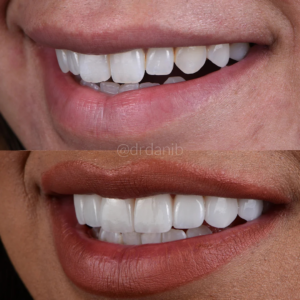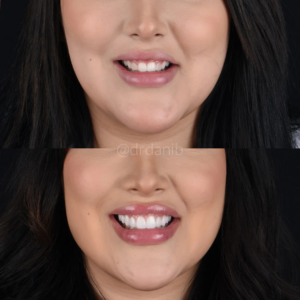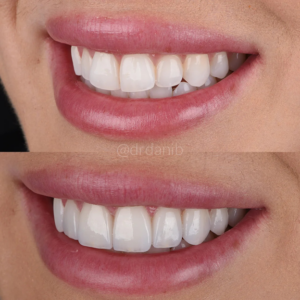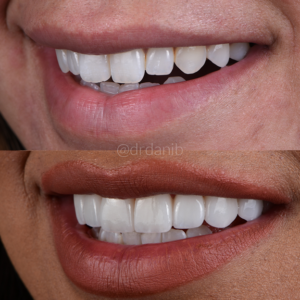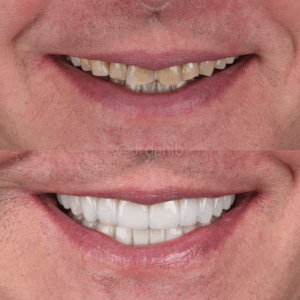

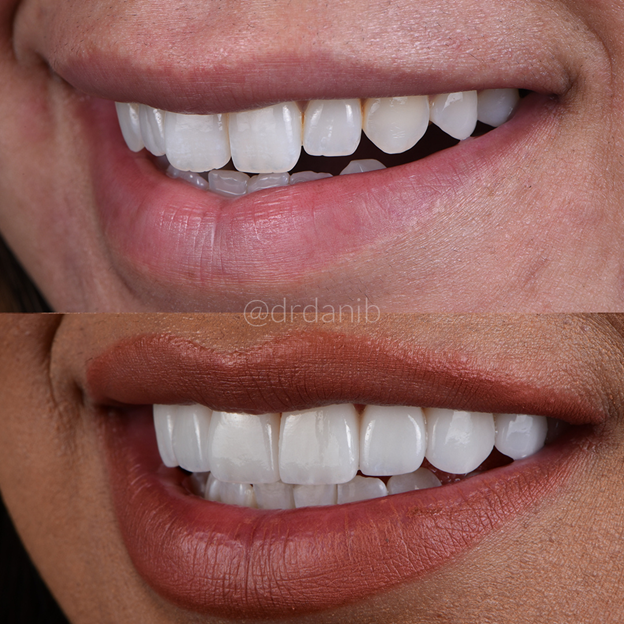
A New Era of Minimally Invasive Dentistry
For decades, the removal and replacement of crowns and veneers came with certain tradeoffs. Today, however, more patients are seeking methods that are gentler on their natural teeth. They want solutions that deliver beautiful, lasting results while preserving as much of their underlying tooth structure as possible.
Traditional methods for removing these restorations can be demanding, involving aggressive drilling and high-force techniques. This carries a measurable risk of damage to the underlying tooth and surrounding tissues. Thankfully, advancements in dental science have introduced a remarkable, gentler alternative: red light/laser technology.
Why Crowns and Veneers Need to Be Replaced
Common Reasons Restorations Fail
- Wear and Aging: Like any material, the porcelain and ceramic used in restorations will show signs of wear over the years of biting and chewing.
- Chipping or Fractures: Accidents or biting on something hard can cause the restoration to crack or chip.
- Gum Recession Exposing Margins: As gums naturally recede, the edge (or margin) of the crown or veneer can become visible, creating an aesthetic issue and a trap for bacteria.
- Color Mismatch Over Time: While porcelain is stain-resistant, the surrounding natural teeth may change color, making the old restoration stand out.
- Outdated Materials: Older materials and bonding agents may not offer the strength or natural appearance of modern ceramic technology.
Importance of Removing Restorations Safely
When it’s time for replacement, the removal process is almost as important as the new placement. The primary goal is to protect the natural tooth structure underneath. Aggressive drilling can remove healthy tooth material unnecessarily, and high-force tools can traumatize the gum and underlying dental tissue. Safe, gentle removal is the clearest path to better long-term oral health and a successful new restoration.
Traditional Removal vs. Laser Removal: What’s the Difference?
Traditional Removal
The conventional approach involves a dentist using a high-speed dental handpiece (a drill) to literally cut through the restoration. The material is cut into sections, allowing the dentist to use a high-force instrument to pry or break the pieces away from the tooth. This technique is loud, can create considerable heat, and carries the inherent risk of damage to the underlying tooth, which is the very thing the dentist is trying to save.
Laser-Assisted Removal
Laser-assisted removal is fundamentally different. It uses specific red light wavelengths, usually from an Erbium family laser, which are absorbed by the water and components within the bonding cement, not the tooth or the restoration material itself.
This focused light energy works to soften or break down the adhesive, allowing the crown or veneer to “release” from the tooth with little to no physical force. The process is quiet and gentle, significantly reducing the risk of discomfort and harm to the surrounding biological structures.
How Red Light Laser Technology Works
Understanding the Mechanism
The laser energy travels through the ceramic or porcelain material of the crown or veneer. It does not heat or destroy the restoration itself. Instead, the specific light wavelength is tuned to be absorbed by the molecules of the resin cement that is holding the restoration in place.
This process causes a thermal-mechanical softening or breakdown of the bonding cement. Because the interaction is focused on the adhesive layer, it is a heat-free, non-destructive interaction with the natural tooth and the restoration material.
Why Red Light Wavelengths Are So Effective
The wavelengths used in dental lasers, often in the near-infrared or mid-infrared spectrum, are selected because they are strongly absorbed by water and resin components, but are not absorbed by the hard, translucent materials of porcelain, ceramic, or tooth enamel. This creates a predictable “debonding” effect, freeing the restoration without affecting the surrounding structures.
Safety and Control
Modern dental laser systems allow for adjustable power settings and immediate feedback, granting the clinician absolute control. The treatment is monitored continuously, ensuring the laser energy is only working on the bonding agent.
Benefits of Laser-Assisted Crown and Veneer Removal
Minimally Invasive
The procedure is far kinder to your mouth. There is no cutting through the restoration and no forceful prying or drilling, preserving the structure that remains.
Faster Procedures
In the hands of an experienced provider, laser removal can be dramatically quicker than traditional methods. The swift breakdown of the adhesive significantly reduces chair time, making it an appealing approach, particularly for patients who need multiple veneers removed.
Protects Natural Tooth Structure
This is arguably the greatest benefit. By targeting only the cement, there is less risk of damaging the underlying enamel or dentin. This leads to better, more predictable long-term outcomes for your natural teeth.
More Comfortable for Patients
Patients consistently report a better experience. There is minimal vibration and less heat, leading to reduced sensitivity and generally lower anxiety during the visit due to the gentle nature of the technique.
Allows Restorations to Be Removed Intact
In many cases, the crown or veneer can be detached as a single, undamaged piece. This can be very useful for diagnosis, allowing the dentist to carefully evaluate the physical condition of the original material and assess the underlying tooth health immediately.
Also Read: Do Veneers Require Shaving Your Teeth? Understanding the Process Clearly
Who Is a Good Candidate for Laser Removal?
This modern technique is generally suitable for anyone needing restorative replacement, especially:
- Patients needing a veneer update or crown replacement due to age or wear.
- Individuals are concerned about preserving their underlying tooth enamel.
- People with dental anxiety or sensitivity who prefer a quiet, gentle approach.
- Cases requiring multiple restorations to be removed quickly and safely.
What to Expect During the Appointment
Evaluation
The appointment begins with an exam and imaging to assess the old restoration, identify the type of material, and check for any underlying issues that need attention.
The Laser Removal Process
Protective eyewear will be provided. The dentist will apply the red light/laser to the restoration. You may feel a subtle warming sensation, but generally, there is little to no discomfort. The clinician monitors the process, and once the adhesive is sufficiently softened, the crown or veneer is gently detached.
After Removal
The underlying tooth is carefully assessed. The surface is thoroughly cleaned to remove any remaining bonding cement and prepared for the next step: the new crown or veneer.
How Dentists Prepare for Replacement After Laser Removal
Ensuring Tooth Health
The dentist thoroughly checks the margins and removes any residual bonding cement. Because laser removal preserves more tooth structure, the remaining surface is often in better condition than after traditional removal.
Choosing the Right Material
The plan for replacement will involve selecting modern, high-quality materials, such as modern porcelain or high-strength ceramics, often using biomimetic layering to achieve a completely natural appearance.
Impression or Digital Scanning
Accurate measurements are taken for the new restoration, typically using a state-of-the-art digital scanner to create a highly accurate 3D model of your prepared tooth.
Temporary Restorations (If Needed)
If the permanent crown or veneer cannot be placed immediately, for instance, if the new restoration needs to be fabricated by a dental lab, a temporary restoration will be placed. This step is important for protecting the exposed underlying tooth, preventing sensitivity, and maintaining your smile’s appearance until the final piece is ready.
Scheduling the Final Placement
Once the new, custom-made crown or veneer is returned from the lab and quality-checked by the dental team, a second, brief appointment is scheduled. During this visit, the temporary restoration is removed, and the new restoration is carefully bonded to the tooth surface, completing the replacement process.
Also Read: How to Maintain Your Smile After Cosmetic Dental Work
Comparing Restoration Removal Methods
| Feature | Red Light Laser-Assisted Removal | Traditional Mechanical Removal | Ultrasonic/Vibrational Removal |
| Efficiency | Fastest. Targets adhesive for quick release. Veneers in <1 minute, crowns <5 minutes in some cases. | Moderate. Requires cutting and sectioning of the restoration, which is time-consuming. | Slowest. Relies on prolonged vibration to fracture the cement bond. |
| Comfort | Highest. Minimal heat, no noise/vibration of a drill. Reduced sensitivity. | Lowest. High-speed drilling creates heat and vibration, often requiring local anesthetic. | Moderate. Less vibration/noise than drilling, but sustained vibration can cause discomfort. |
| Tooth Preservation | Highest. Laser energy is absorbed by the cement, passing harmlessly through enamel/porcelain. Minimal loss of underlying tooth structure. | Lowest. Cutting and sectioning inherently risk removing healthy tooth structure and can cause cracks. | Moderate. Avoids gross tooth removal but requires significant force/vibration, carrying a risk of micro-fractures in the dentin/cement. |
| Clinical Precision | Very High. Selectively targets the adhesive layer between the tooth and the restoration. | Low to Moderate. Precision relies heavily on the operator’s skill and burs, with risk of collateral damage. | Moderate. Focuses vibration at the margin, but the force applied is less controlled than laser debonding. |
| Cost & Accessibility | Highest Initial Cost. Requires expensive specialized equipment and advanced training. | Lowest Cost. Uses standard dental equipment. | Moderate Cost. Uses specialized tips and an ultrasonic unit, but the equipment is generally less expensive than a dental laser. |
Myths About Laser Removal: What Patients Should Know
There is a lot of new information about lasers in dentistry, so it’s helpful to break things down:
- It does not “melt” porcelain; it works on the bonding agent underneath.
- It is not the same as a surgical laser used to cut tissue; this procedure is focused on debonding materials.
- It will not damage enamel when used correctly, as the wavelength is not absorbed by the hard tooth structure.
- It is safe for the surrounding gums and soft tissue.
Conclusion
Red light laser removal is an exciting advance for restorative dentistry. It offers a clear, safer, faster, and more comfortable method for replacing aging or damaged crowns and veneers.
If you’re interested in minimizing trauma and preserving natural tooth material, contact Dr. Dani B. today.