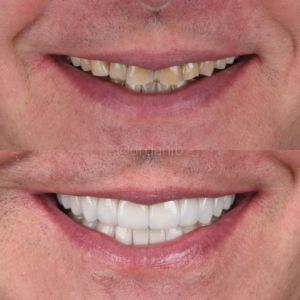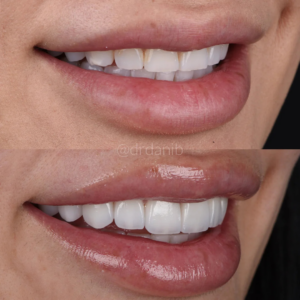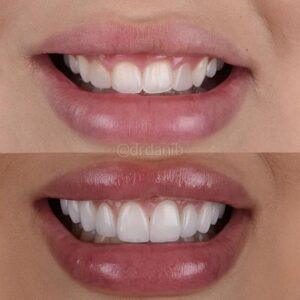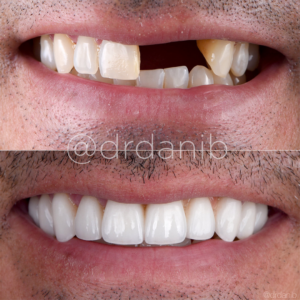

Protecting Your Investment in Your Smile
Investing in cosmetic dentistry is more than just a physical change; it is a commitment to your confidence. Whether you have chosen porcelain veneers, crowns, or professional whitening, these treatments require significant time and resources. However, many patients don’t realize that the work doesn’t end once they leave the chair.
The results of even the most skilled dental work can be at risk if you don’t have a plan for protection. Many people have habits they aren’t even aware of, specifically clenching and grinding during sleep. Without a shield, the very restorations meant to give you a beautiful smile can become damaged. Using a night guard to protect crowns and implants is a simple way to protect your new look.
As an expert in the field, Dr. Dani B. recognizes that a night guard for teeth is the most reliable way to protect the artistry of a high-end smile transformation.
What a Night Guard Is and How It Works
A night guard for teeth is a removable appliance worn over the upper or lower arch while you sleep. Its main job is to act as a physical barrier between your teeth. By creating this space, you significantly reduce the pressure on your natural teeth and on any dental work you’ve received.
It is important to understand the difference between clenching, holding teeth tightly together, and grinding, moving the jaw back and forth. Both habits, known collectively as bruxism, generate immense force. Because we cannot control these movements while asleep, nighttime is the highest-risk period for your teeth. That’s why the role of night guards in protecting dental restorations is so important.
Why Cosmetic Dental Work Is More Vulnerable
How do night guards protect cosmetic dental work? Veneers, crowns, and dental bonding are designed to be strong, but they are not indestructible. These materials are bonded to your natural tooth structure, and while they handle regular chewing well, they are not always prepared for the extreme forces of bruxism.
Cosmetic materials respond to bite forces differently from natural enamel. While enamel has some flexibility, porcelain is more rigid. Even minor clenching can cause porcelain to chip or weaken the bonding agent over time. Preserving the aesthetics and function of your smile means recognizing that these restorations need a bit of extra help to stay intact. Preventing damage to cosmetic dental work at night means recognizing that these restorations need a bit of extra help to stay intact.
Also Read: How to Maintain Your Smile After Cosmetic Dental Work
Bruxism: The Hidden Threat After Cosmetic Dentistry
Bruxism guard use is often necessary because bruxism itself is a hidden condition. Many patients overlook the signs, which include:
- Waking up with a dull headache or sore jaw.
- Increased tooth sensitivity.
- Small notches or wear patterns on the edges of teeth.
- Fatigue from disrupted sleep.
Stress and sleep cycles are major factors in how often we grind. Interestingly, bruxism can sometimes feel more noticeable after dental work as your brain adjusts to the new shape or height of your teeth.
How Night Guards Protect Veneers and Restorations
How do night guards prevent damage to veneers and crowns? Many people are concerned about dental protection after veneers. The primary benefit of a custom night guard is its ability to absorb and redistribute bite forces. Instead of all that pressure being concentrated on a single veneer or crown, the guard spreads the load across the entire surface.
This prevents the following:
Chipping and Cracking: Porcelain is brittle under sharp impact.
Debonding: Constant wiggling from grinding can loosen the “glue” holding a restoration in place.
Wear: A guard prevents the porcelain from rubbing against opposing teeth, which keeps the surface smooth and shiny.
Also Read: How To Maintain Porcelain Veneers
Night Guards and Bite Stability
Beyond just protecting the surface of a crown, a teeth grinding guard helps maintain the stability of your bite. If teeth are allowed to grind against each other, they can eventually shift. This leads to uneven pressure, with one tooth taking more force than the others.
By keeping the jaw in a neutral position, the guard supports jaw comfort and joint health. Cosmetic dentistry in Los Angeles specialists often include a guard in the treatment plan to keep the alignment in place.
Custom Night Guards vs. Over-the-Counter Options
You might see “boil and bite” guards at the drugstore, but these are often a poor choice to use after cosmetic work.
| Feature | Custom Night Guard | Over-the-Counter Guard |
| Fit | Made from a mold of your actual teeth | Generic sizes |
| Material | High-quality, thin, and durable | Bulky and soft |
| Protection | Balanced bite distribution | Can cause more clenching |
| Comfort | Minimal impact on breathing/speech | Often slips or feels uncomfortable |
The risks of an ill-fitting guard are high. A bulky, soft guard can actually cause you to chew more during the night, increasing the strain on your jaw. A professional fit is the way to go to protect the long-term value of your restorations.
Who Needs a Night Guard After Cosmetic Work?
While almost anyone can benefit, certain patients should consider it a requirement:
- Veneer Patients: To prevent the thin porcelain from fracturing.
- Full Smile Makeovers: When the entire bite has been reconstructed.
- High-Stress Individuals: Since stress is a primary driver of nighttime grinding.
- History of Grinding: If you ground your teeth before the procedure, you will likely continue afterward.
If you are wondering, “Do I need a night guard after veneers?” The answer is almost always yes. It is the best insurance policy for your smile.
How Long a Night Guard Should Be Worn
To see the benefits of wearing a night guard after dental treatment, you must use it every single night. Consistency is what prevents the cumulative damage that leads to repairs.
Most high-quality guards last several years, but they do show signs of wear. You should check your guard for thinning areas or holes. To keep it in good shape, rinse it every morning and store it in a dry case. Bringing it to your regular dental checkups allows your dentist to see if it still fits correctly or if your bite has changed.
What Can Happen Without a Night Guard?
Skipping a bruxism guard can lead to several problems that are both painful and expensive:
- Cosmetic Damage: A chipped veneer is often irreparable; it usually requires a full replacement.
- Increased Costs: Repairs and replacements add up quickly, far exceeding the cost of a guard.
- Bite Discomfort: Persistent grinding can lead to TMJ issues, resulting in chronic jaw and neck pain.
- Shorter Lifespan: Your dental work may only last half as long as it should if it is subjected to constant nighttime trauma.
Final Takeaway: Prevention Protects Results
Why night guards are important after cosmetic dentistry comes down to one thing: longevity. By making a guard part of your nightly routine, you are preserving your smile’s appearance and health. It is a simple step that provides massive peace of mind. If you have recently completed a smile transformation, talk to your dentist about a custom night guard solution to keep those results looking great for years to come.