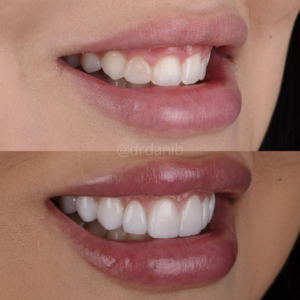
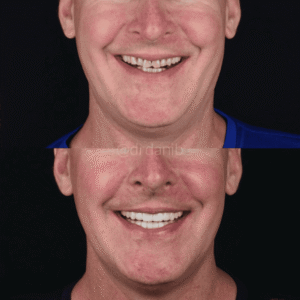
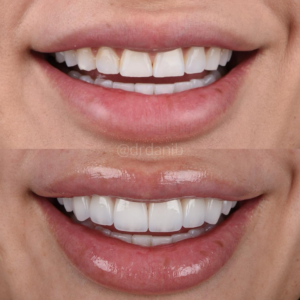
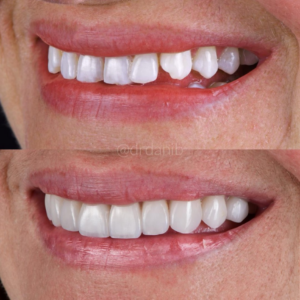
Most people considering porcelain veneers are thinking about how their new smile will look. They bring photos of smiles they admire, ask about tooth shape and color, and wonder how natural the final result will be. What surprises many patients is that one of the most important parts of veneer planning has very little to do with appearance. Before designing your smile, your dentist needs to understand how your teeth function together every day.
A bite evaluation looks at how your upper and lower teeth come together during everyday activities like chewing, speaking, and closing your mouth. Even beautifully crafted porcelain veneers can experience unnecessary stress if they are placed on teeth that do not function well together. Over time, uneven pressure may increase the likelihood of chipping, cracking, or excessive wear.
At Dr. Dani B.’s practice, treatment planning is centered on both facial aesthetics and healthy function through a conservative approach that considers each patient’s individual smile. Patients receive a complete examination before treatment planning begins, including an assessment of their teeth, gums, and bite.
What Dentists Mean When They Talk About “Your Bite”
Every time you bite into a sandwich, chew dinner, or even swallow, your teeth come together in a specific pattern. Dentists call this your bite, or occlusion. While it may seem simple, those tiny contact points determine how force is distributed across every tooth, including future veneers.
A healthy bite is about more than simply lining up your teeth. Beverly Hills dentists evaluate:
- How your teeth contact when biting down
- How they move during chewing
- Side-to-side jaw movement
- Forward jaw movement
- Whether pressure is distributed evenly across your teeth
Every patient’s bite is different. Some people naturally place more pressure on certain teeth, while others have minor shifts in jaw movement that affect how forces are distributed throughout the mouth.
This information directly influences veneer design. An experienced cosmetic dentist should create veneers that not only improve your smile but also fit naturally within the way your teeth function every day.
Also Read: How Cosmetic Dentistry in Beverly Hills Corrects Uneven Gumlines and Short Teeth
Why Bite Evaluation Matters Before Porcelain Veneers
One of the most common questions during a veneer consultation is, Why is a bite evaluation important before veneers.
Once veneers are bonded into place, they immediately become part of your bite. Every meal, conversation, and bite applies force to those restorations.
Imagine biting into an apple and nearly all of the pressure lands on one front tooth instead of being shared across several teeth. Over time, that single veneer absorbs far more force than it was designed to handle, increasing the chance of chips or premature wear.
This can contribute to problems, such as:
- Chipped porcelain
- Small fractures
- Excessive wear
- Veneers loosening over time
- Additional stress on neighboring teeth
Bite alignment is often overlooked during cosmetic treatment planning, even though it can have a significant impact on how porcelain veneers perform over time. When your teeth do not meet evenly, certain veneers may absorb more pressure than others. A careful review of bite alignment allows your dentist to identify these concerns before treatment begins and design restorations that function naturally.
This is one reason the importance of bite evaluation before veneers extends beyond appearance. Successful cosmetic dentistry in Beverly Hills blends aesthetics with healthy function.
Rather than recommending veneers based solely on appearance, Dr. Dani B. evaluates how each patient’s bite functions first. This conservative planning helps determine whether veneers alone are appropriate or whether addressing bite concerns beforehand may produce a healthier, longer-lasting result.
Signs Your Bite May Need Extra Attention Before Veneers
Many people have bite-related concerns without realizing it. During a dental bite assessment, your dentist looks for signs that could influence veneer treatment.
Several bite problems that can ruin porcelain veneers may already be present before treatment begins. Identifying these concerns early helps your dentist create a treatment plan that supports both appearance and long-term function.
Some common findings include:
- Teeth grinding or clenching, particularly during sleep
- Worn or flattened teeth
- Chipped front teeth
- Morning jaw soreness or stiffness
- Clicking or popping near the jaw joints
- Frequent headaches around the temples
- Uneven tooth wear
- Crowns or fillings that repeatedly chip or break
These findings do not automatically mean you cannot receive veneers. Instead, they help answer the common question, Do I need a bite assessment before veneers.
Identifying these issues beforehand allows your dentist to create a treatment plan that supports both the appearance and function of your new smile.
Also Read: Why Patients With Worn Enamel Choose Porcelain Veneers in Beverly Hills for Full Smile Restoration
What Happens During a Comprehensive Bite Evaluation?
Patients often wonder, How do dentists evaluate your bite before veneers.
A thorough dental bite assessment typically includes several parts.
Examine Existing Tooth Wear and Oral Health
Your dentist evaluates your teeth for wear patterns, cracks, previous dental work, gum health, and decay that may affect treatment.
Capture Digital Photographs and Evaluate the Smile
High-quality photographs help analyze tooth proportions, smile balance, facial features, and areas where cosmetic improvements may be beneficial.
Analyze the Bite and Jaw Movement
Your dentist studies how your teeth contact while closing, chewing, and moving your jaw in different directions.
Review Existing Restorations
Older crowns, fillings, or bonding are carefully evaluated to determine whether they remain healthy or should be replaced before veneer treatment.
Assess Signs of Grinding or Clenching
Wear facets, fractures, and muscle tenderness may indicate bruxism, which can influence veneer planning.
Using all of this information, your veneer consultation becomes highly individualized. Dr. Dani B. designs treatment plans after completing a detailed examination and discussing each patient’s aesthetic concerns and smile objectives.
Why Some Patients Benefit From Treating Their Bite First
Patients frequently ask, Can you get porcelain veneers with bite issues.
In many situations, yes. However, certain bite concerns may be addressed before veneers are placed to help support long-term success.
Depending on your individual needs, treatment may include:
- Invisalign® to improve tooth positioning
- Minor orthodontic movement
- Nightguards for teeth grinding
- Replacement of failing crowns or fillings
- Managing excessive bite forces before cosmetic treatment
These preliminary steps can reduce unnecessary stress on the future veneers and allow the final restorations to function more naturally.
Patients considering porcelain veneers often benefit from understanding that cosmetic treatment is sometimes one part of a larger plan focused on long-term oral health.
Why Conservative Veneer Preparation Depends on Bite Planning
One of the guiding principles behind Dr. Dani B.’s approach is conservative, minimalistic treatment whenever appropriate. That planning begins long before the veneers are created.
Careful bite alignment analysis helps determine:
- Which teeth actually need veneers
- How much enamel should be preserved
- Where biting forces will occur
- The shape and thickness of each veneer
This planning allows veneers to blend naturally with the patient’s smile while preserving as much healthy tooth structure as possible.
When choosing a cosmetic dentist in Beverly Hills or Los Angeles, it’s worth looking for someone who considers both smile design and functional bite analysis during treatment planning.
What Patients Often Overlook Before Getting Veneers
Many people assume the hardest part of veneer treatment is choosing the right shade or shape. In reality, one of the most important decisions happens before any cosmetic work begins. If your bite places excessive pressure on certain teeth, even beautifully crafted veneers can be subjected to forces they weren’t designed to handle. Taking time to evaluate those forces first helps create restorations that not only look natural but are designed to function comfortably over the long term.
The Goal Isn’t Just a Beautiful Smile, It’s a Smile That Lasts
A beautiful smile should look natural, feel comfortable, and continue functioning well years after treatment is complete.
A thorough bite evaluation helps protect your investment by reducing unnecessary stress placed on porcelain restorations. Balanced biting forces may lower the risk of chipping, fractures, and uneven wear while allowing veneers to function naturally alongside your existing teeth.
This is why experienced cosmetic dentists view appearance and function as equally important parts of a smile makeover. The most natural-looking veneers are designed to complement the way your teeth work, not simply the way they look.
Many patients are surprised to learn that evaluating the bite is one of the most important parts of veneer planning.
Also Read: Do Veneers Require Shaving Your Teeth? Understanding the Process Clearly
Conclusion
If you’re considering veneers in Los Angeles, don’t overlook the importance of a complete bite evaluation before treatment begins.
Careful planning helps answer questions like: Do bite problems affect porcelain veneers? and what happens if you skip a bite assessment before veneers. More importantly, it allows your dentist to identify concerns that may influence how your veneers are designed and how they perform over time.
At Dr. Dani B.’s practice, every veneer consultation begins with a detailed examination of your teeth, gums, smile, and bite so treatment is planned around both aesthetics and healthy function. Patients can feel confident knowing their smile is being designed with a conservative approach that supports natural-looking, long-lasting results.
If you’re considering porcelain veneers, the first step isn’t choosing the perfect shade. It’s making sure your teeth, gums, and bite provide the right foundation for long-lasting results. Schedule a consultation with Dr. Dani B. to receive a comprehensive evaluation and a personalized treatment plan designed around both aesthetics and long-term function.