Have you ever noticed that one tooth hits before the others when you close your mouth? Maybe chewing feels uncomfortable on one side, or a crown that used to feel perfectly natural now seems to take more pressure than the surrounding teeth. You may not have any obvious pain, but something about your bite feels different.
Uneven tooth contact can develop gradually or appear after dental treatment. Worn enamel, shifting teeth, existing restorations, and changes in how your jaw moves can all affect the way your upper and lower teeth meet. While minor variations are common, persistent changes deserve attention, especially when they interfere with chewing or affect existing dental work.
At our practice, Dr. Dani B. combines detailed bite evaluation, biometric dentistry principles, and the conservative restorative techniques associated with biomimetic dentistry. We consider how your teeth contact, how your jaw functions, and whether a damaged tooth or restoration is contributing to the problem before recommending treatment.
For patients seeking biomimetic dentistry in Beverly Hills, our goal is to understand what has changed, protect healthy tooth structure, and determine whether treatment will provide a meaningful benefit.
Why Does One Tooth Hit Before the Others?
Your bite, also called dental occlusion, describes how your upper and lower teeth come together. It may seem like a fixed relationship, but tooth contact can change over time.
A tooth may begin hitting earlier because of:
- A crown or filling that changes the shape of the biting surface
- Tooth movement or changes in alignment
- Worn, chipped, or fractured teeth
- Changes following orthodontic or restorative treatment
- Differences in tooth shape or position
- Changes in jaw movement that affect how opposing teeth meet
Sometimes the cause is easy to identify. If your bite felt normal before a new crown and different afterward, the restoration may be contributing to the sensation.
Other changes are less obvious. Gradual tooth wear can alter biting surfaces, while tooth movement may change which teeth contact first.
The important question isn’t simply which tooth hits first. We want to know why the contact has changed and whether it is affecting your dental health.
Does Uneven Tooth Contact Always Need Treatment?
Not necessarily. Your teeth don’t need to contact with identical pressure at every point for your bite to function comfortably.
Some patients have slight differences in tooth contact without pain, abnormal wear, damaged restorations, or difficulty chewing. In those situations, adjusting the bite may offer no meaningful benefit.
We become more concerned when the change is associated with persistent discomfort, a fractured tooth, repeated damage to dental work, or another clinical finding that needs attention.
Even then, uneven contact may not be the only factor involved. Tooth sensitivity, decay, grinding, and inflammation can produce symptoms that resemble a bite problem.
We evaluate these possibilities before recommending treatment. Sometimes the best decision is to monitor a stable contact pattern rather than make an irreversible change to healthy teeth.
How Biomimetic and Biometric Dentistry Work Together
When a patient tells us that their bite feels uneven, we consider two related questions: How are the teeth functioning together, and does any tooth or restoration need to be repaired?
Biometric dentistry, as described in our practice’s educational content, emphasizes the functional information involved in evaluating tooth contact, jaw movement, and bite forces. This approach helps us look beyond the appearance of the teeth to understand how they interact.
Biomimetic dentistry focuses on preserving healthy tooth structure and restoring damaged teeth in ways that respect their natural form and function. Conservative preparation, adhesive bonding, and careful selection of restorative materials may all be part of this philosophy.
These approaches complement one another when an uneven bite involves worn teeth, damaged restorations, or planned cosmetic dental work.
For example, a patient may notice that a crown receives more pressure than the surrounding teeth. We first need to examine the contact pattern and determine whether the restoration is contributing to the problem. If the tooth requires repair or a new restoration, biomimetic principles can help guide a conservative treatment plan.
Neither approach means every uneven contact needs correction. Our recommendations depend on what we find during your examination.
Also Read: How Customized Jaw Mapping Lets Biometric Dentistry Prevent Long-Term Wear on Your Teeth
How Do We Evaluate Uneven Tooth Contact?
A thorough bite evaluation begins with what you’ve noticed. Dr. Dani B. will want to know when the change started, whether a particular tooth feels high, and whether you experience discomfort when chewing or closing your mouth.
Recent dental work can provide an important clue. A new filling, crown, or veneer may alter how opposing teeth meet, even when the change seems small.
We also examine the condition of your natural teeth and existing restorations. Tooth wear, fractures, changes in alignment, and other dental findings may help explain why your bite feels different.
Examining Your Teeth and Existing Restorations
We begin by looking for visible signs of damage, wear, or changes in tooth position.
If one tooth feels high, we examine the tooth itself and any existing restoration. A crown or filling may have a contact relationship that needs attention, but the sensation could also come from another dental condition.
We don’t assume that removing tooth structure is the appropriate solution simply because a tooth contacts earlier than the others.
Evaluating How Your Teeth Meet
Tooth contact isn’t limited to what happens when you close your mouth and hold still.
Your teeth also interact during chewing and other jaw movements. Understanding these relationships can be particularly important when planning restorative treatment.
We assess the contact pattern in the context of your symptoms and clinical findings, rather than relying on a single contact mark to determine whether something is wrong.
Using Digital Technology When Appropriate
Our practice incorporates digital dental technology into evaluation and treatment planning. The iTero digital scanner can create detailed digital models of the teeth for appropriate restorative and orthodontic applications.
Biometric dentistry also considers functional information that may help explain how tooth contacts develop during jaw movement.
Digital occlusal technologies, including systems such as T-Scan, can provide information about the timing and relative distribution of tooth contacts. However, these measurements must be interpreted alongside a clinical examination.
Digital information can support treatment planning, but it doesn’t independently establish that a bite requires correction.
Also Read: How T-Scan Detects Bite Imbalances in Los Angeles Dentistry
Why We Identify the Cause Before Adjusting Your Bite
When one tooth seems to hit too hard, it may seem reasonable to simply adjust that tooth until the pressure feels more even.
Sometimes a small adjustment to an existing restoration is appropriate. However, permanently removing natural enamel without identifying the cause can create additional problems.
A tooth may feel high because of a recent restoration, tooth movement, inflammation, wear, or another dental condition. Each possibility requires a different approach.
Our biometric approach to bite evaluation helps us consider how the teeth contact and function together. When a tooth requires repair, biomimetic principles guide us toward preserving healthy structure whenever clinically appropriate.
If a crown has an identifiable contact issue, adjusting the restoration may be sufficient. If the underlying tooth is fractured, the treatment must address the damage. When tooth position is the primary concern, orthodontic evaluation may be more appropriate.
There are also situations where no adjustment is necessary.
We want you to understand the reason for any recommended treatment before changes are made to your natural teeth or restorations.
Can a Crown or Filling Cause Uneven Tooth Contact?
Yes. Dental restorations can change the shape of a tooth and the way it contacts the opposing arch.
A filling that is slightly high may make one tooth touch before the others. A crown can also change the contact relationship, particularly if the bite feels different immediately after placement.
Some patients notice the change when chewing. Others describe a tooth that feels unusually prominent when they close their mouth.
If the sensation persists or causes discomfort, we recommend having the restoration evaluated.
Dr. Dani B. examines the tooth, the restoration, and the surrounding bite before determining whether an adjustment, repair, or replacement is appropriate.
When a Tooth Needs More Than a Bite Adjustment
Sometimes the issue involves structural damage rather than an isolated contact problem.
A tooth with a large failing filling, fracture, or substantial loss of natural structure may require restorative treatment.
Our practice offers porcelain crowns for teeth that need appropriate structural restoration. However, a full crown isn’t necessary for every damaged tooth.
When sufficient healthy tooth structure remains, a more conservative restoration may be appropriate.
We consider the extent of damage, the condition of the remaining tooth, and how the restoration will function within your bite before recommending treatment.
How Can Biomimetic Dentistry Help Protect Worn or Damaged Teeth?
Tooth wear can gradually change the way your upper and lower teeth meet.
As enamel is lost, biting surfaces may become flatter, shorter, or less defined. A tooth may also develop a chipped edge or a fracture that changes its contact with opposing teeth.
Wear can result from several factors, including grinding, acidic erosion, abrasion, and normal use. An uneven bite isn’t automatically responsible.
Before restoring worn teeth, we examine the pattern of damage and consider what may be contributing to it.
Biomimetic dentistry is particularly relevant when treatment is needed because it emphasizes preserving natural tooth structure while restoring appropriate shape and function.
Preserving Healthy Enamel and Dentin
Healthy enamel and dentin contribute to a tooth’s strength and ability to function under everyday biting forces.
When restoring a damaged tooth, we aim to preserve sound structure whenever clinically appropriate.
For some patients, a conservative bonded restoration may provide the necessary repair. Other teeth may require more extensive treatment because of fractures, large existing restorations, or substantial structural weakness.
We don’t recommend the same procedure for every worn or damaged tooth. The treatment should reflect the condition of the individual tooth.
Restoring Tooth Shape With Function in Mind
Repairing a chipped edge or rebuilding a worn surface changes the shape of the tooth.
That means we also need to consider how the restoration will meet the opposing teeth.
A restoration may look natural but still require careful functional planning. We want to avoid introducing a contact that interferes with comfortable chewing or places unnecessary stress on the new dental work.
This is where biometric evaluation and biomimetic restorative planning can complement one another.
We consider the functional relationship between the teeth while selecting a conservative method of restoring the damaged structure.
No restorative technique can guarantee that a tooth will never fracture or require future treatment. However, thoughtful planning can help us address the existing damage without making unnecessary changes to healthy teeth.
Can Straight Teeth Still Have an Uneven Bite?
Yes. Straight-looking teeth don’t necessarily contact evenly during function.
Your smile may appear symmetrical from the front, while certain teeth meet differently when you close your mouth or move your jaw.
The reverse is also true. Teeth that aren’t perfectly aligned may function comfortably without causing a clinically significant problem.
This distinction matters when considering cosmetic or orthodontic treatment.
We evaluate more than the visible appearance of the smile. Tooth position, existing restorations, and the relationship between the upper and lower teeth can all influence treatment planning.
If tooth alignment is contributing to a functional or aesthetic concern, orthodontic treatment may be an option. However, an uneven contact pattern alone doesn’t mean orthodontic treatment is necessary.
Why Bite Evaluation Matters Before Veneers and Other Cosmetic Dentistry
When patients consider porcelain veneers, the conversation often begins with appearance.
You may want to improve tooth shape, restore worn edges, close spaces, or create a more balanced smile.
Those goals matter, but so does the way your teeth function.
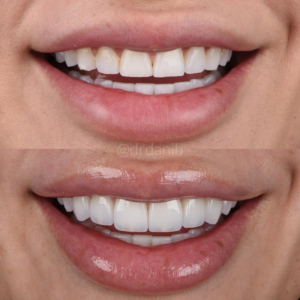
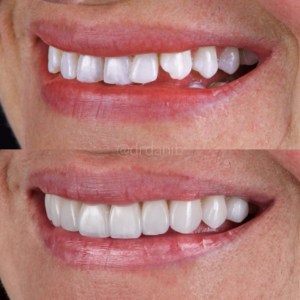
Veneers change the outer surfaces of the treated teeth. We therefore need to consider how the planned restorations will interact with opposing teeth during biting and chewing.
Dr. Dani B. approaches porcelain veneer treatment with attention to facial aesthetics, tooth proportions, and function.
Our planning process considers how the proposed smile will look and how it will work within your existing bite.
For appropriate cases, temporary restorations can provide an opportunity to evaluate appearance, speech, comfort, and function before the final porcelain is completed.
We also work with our in-house master ceramist to customize the appearance and natural characteristics of porcelain restorations.
A beautiful smile shouldn’t come at the expense of thoughtful functional planning. Our aim is to create restorations that suit your facial features, dental anatomy, and treatment needs.
Also Read: From Bone to Bite: How Biometric Dentistry Planning Elevates Implant Results
Can Uneven Tooth Contact Cause Jaw Pain or Headaches?
Some patients notice jaw discomfort or headaches around the same time their bite begins to feel different.
However, the relationship between tooth contact and these symptoms is complex.
Jaw pain can involve the muscles, temporomandibular joints, teeth, and other structures. Grinding, clenching, inflammation, and several dental or medical conditions may contribute.
An uneven contact pattern alone doesn’t establish the cause of jaw pain or headaches.
This is why we don’t assume that permanently changing the bite will resolve every jaw-related symptom.
If you’re experiencing discomfort, we evaluate the relevant clinical findings and consider whether additional assessment or referral may be appropriate.
Our goal is to identify a reasonable explanation for your symptoms before recommending treatment.
When Should You Have an Uneven Bite Evaluated?
A minor contact difference that has always been present and causes no problems may not require treatment.
A new or persistent change deserves more attention.
We recommend scheduling a dental evaluation if you notice that one tooth suddenly contacts first, particularly after a filling or crown. Discomfort when chewing, a damaged restoration, or a tooth that becomes increasingly sensitive also warrants examination.
Repeated chipping, noticeable changes in tooth position, or difficulty chewing comfortably may indicate that something has changed.
If your bite changes after dental trauma or you develop significant pain or swelling, prompt evaluation is especially important.
You don’t need to determine whether the issue involves your bite, a restoration, or the tooth itself before contacting us.
We can examine the concern and explain what the findings mean.
Our Approach to Biomimetic Dentistry for Beverly Hills Patients
Many patients come to us with a simple concern: their teeth no longer fit together comfortably.
You may notice extra pressure on one side, a crown that feels different, or a tooth that seems to contact before the others. These observations help us understand how the change is affecting your daily life.
At our Los Angeles practice, serving patients from Beverly Hills, we combine comprehensive dental evaluation with a conservative approach to restorative care.
Dr. Dani B. considers the condition of your natural teeth, existing dental work, bite relationships, and aesthetic goals when developing a treatment plan.
Our biometric approach helps us assess how the teeth and jaw function together. When restorative treatment is needed, biomimetic principles help guide decisions about preserving healthy tooth structure and repairing damaged teeth.
We don’t believe every uneven contact needs correction. Sometimes the appropriate recommendation is a minor restoration adjustment, a different type of treatment, or simply monitoring the bite.
What matters is making that decision based on your clinical findings rather than assuming that more treatment is always better.
What to Expect During Your Bite Evaluation
Your appointment begins with a conversation about what you’ve noticed and what you want to address.
We Review Your Symptoms and Dental History
We’ll ask when the change began, whether a particular tooth feels different, and whether you experience discomfort when chewing or closing your mouth.
Recent dental treatment, existing restorations, and any history of tooth wear or grinding may provide useful context.
We Examine Your Teeth and Restorations
Dr. Dani B. evaluates the condition of your teeth, existing dental work, and the way the upper and lower teeth meet.
We look for findings that may explain the change, such as a damaged restoration, tooth wear, or an altered contact relationship.
We Assess Your Bite and Function
We consider how your teeth contact during closure and, when relevant, during jaw movement.
Digital scans or other diagnostic records may be recommended when they are likely to contribute useful information.
The purpose is to understand the problem, not simply collect more measurements.
We Discuss Whether Treatment Is Necessary
Once the findings have been reviewed, we’ll explain what may be causing the change and whether treatment is appropriate.
A restoration-related contact issue may require a different approach from tooth wear, alignment concerns, or a damaged tooth.
If treatment is recommended, we’ll discuss the available options and why one approach may be preferable for your situation.
Frequently Asked Questions About Biomimetic and Biometric Dentistry
What Is Biomimetic Dentistry for Uneven Tooth Contact?
Biomimetic dentistry focuses on preserving healthy tooth structure and restoring damaged teeth in ways that resemble natural tooth function. When uneven contact involves a worn, fractured, or previously restored tooth, these principles can guide conservative restorative treatment. Evaluating the bite is a related process that helps us understand how the teeth function together.
Is Biometric Dentistry the Same as Biomimetic Dentistry?
The terms are sometimes used together in discussions of advanced dental care, but they emphasize different considerations. At our practice, biometric dentistry refers to functional assessment of tooth contact, jaw movement, and bite forces. Biomimetic dentistry focuses on conservative restoration and preserving natural tooth structure. Both can contribute to a comprehensive treatment plan.
Why Does One Tooth Hit Before the Others?
A tooth may contact first because of its position, a crown or filling, tooth wear, shifting teeth, or another change in the bite. We examine the teeth and existing restorations to determine whether the contact is clinically significant and what may be causing it.
Does an Uneven Bite Always Need Treatment?
No. Some differences in tooth contact occur without pain, damage, or functional problems. We recommend treatment based on symptoms, examination findings, and the underlying cause rather than attempting to make every tooth contact identically.
Can a New Crown or Filling Change My Bite?
Yes. A restoration can change the shape of a tooth and the way it contacts opposing teeth. If your bite feels persistently high or chewing becomes uncomfortable after dental work, we recommend an examination to determine whether the restoration needs attention.
Can You Adjust a Tooth That Feels Too High?
Sometimes a conservative adjustment is appropriate, particularly when an existing restoration has an identifiable contact problem. However, removing natural enamel is irreversible. We evaluate the cause before recommending changes to tooth surfaces.
Can Uneven Tooth Contact Contribute to Tooth Wear?
Tooth-contact patterns may be one factor in certain types of mechanical wear, but wear can have several causes. Grinding, acidic erosion, abrasion, and other conditions also need consideration. We examine the type of wear and your dental history before determining what may be contributing.
Can Straight Teeth Still Have an Uneven Bite?
Yes. Teeth may appear straight while contacting differently during closure or jaw movement. Conversely, teeth that aren’t perfectly aligned may function comfortably. The appearance of the smile alone doesn’t determine whether bite correction is needed.
Does Biomimetic Dentistry Correct an Uneven Bite?
Biomimetic dentistry isn’t a single bite-correction procedure. Its principles can guide conservative restoration when damaged teeth or restorations require treatment. Other bite concerns may call for orthodontic evaluation, restoration adjustment, observation, or another approach.
How Does Digital Bite Analysis Help?
Digital bite-analysis systems can provide information about the timing and relative distribution of tooth contacts. These measurements may support a clinical evaluation, but they don’t independently diagnose every bite problem or determine whether treatment is necessary.
Can Uneven Tooth Contact Cause Jaw Pain or Headaches?
Jaw pain and headaches can have several causes. An uneven bite doesn’t automatically explain either symptom, and permanently altering tooth contact isn’t an appropriate treatment for every jaw-related condition. We evaluate the symptoms and clinical findings before recommending treatment.
Can Biomimetic Dentistry Help Preserve Natural Teeth?
Preserving healthy tooth structure is a central principle of biomimetic restorative dentistry. When treatment is necessary, conservative bonded restorations may be appropriate for certain teeth, while others require more extensive repair. The best option depends on the tooth’s condition and the clinical findings.
How Does Dr. Dani B. Evaluate an Uneven Bite?
Our evaluation considers your symptoms, dental history, tooth condition, existing restorations, and the way your teeth meet. When appropriate, digital records may provide additional information for treatment planning. We use the findings to determine whether treatment or monitoring is appropriate.
Where Is Dr. Dani B.’s Dental Practice Located?
Our office is located in Los Angeles and serves patients from Beverly Hills and surrounding communities. We provide cosmetic, general, and restorative dental care with an emphasis on individualized planning, natural-looking results, and preserving healthy tooth structure whenever clinically appropriate.
How Can I Schedule a Bite Evaluation?
You can request a consultation with Dr. Dani B. to discuss uneven tooth contact, discomfort after dental work, or concerns about an existing restoration. We’ll evaluate your symptoms and dental health before recommending any treatment.
If Your Bite Feels Different, Find Out Why Before Changing It
A tooth that hits first or a bite that suddenly feels unfamiliar can be frustrating, especially when you aren’t sure what’s causing the change.
Sometimes the issue involves a crown or filling. In other cases, tooth position, wear, or another dental condition may be responsible. Not every difference requires correction, but persistent changes deserve a thoughtful evaluation.
At our practice, Dr. Dani B. combines detailed clinical assessment, digital dental technology, biometric evaluation principles, and a conservative biomimetic restorative philosophy to help patients understand their options.
We believe the best treatment decisions begin with knowing what has changed, why it matters, and whether intervention will provide a meaningful benefit.
If your teeth no longer fit together comfortably, we’re here to help you find out why.
Schedule a consultation with Dr. Dani B. to have your bite evaluated and discuss the most appropriate next steps for your dental health.