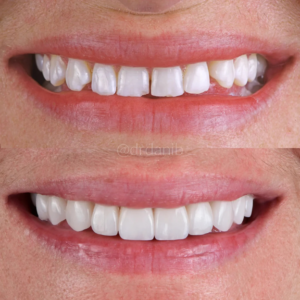
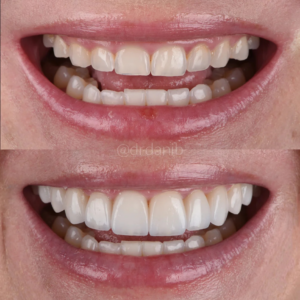
The Hidden Cause of Tooth Wear
It starts with a small chip or a slightly flattened edge on a front tooth. Perhaps you notice your teeth look shorter than they used to, or maybe a filling you recently received has already cracked. Most people view these issues as isolated incidents or a natural part of aging. You visit a dentist, get a crown or some bonding, and move on. However, within a few years, the same problems often return.
The reality is that treating the symptoms of dental wear without looking at the underlying cause leads to a cycle of repeated repairs. While it is easy to blame age or a hard diet, the true reason for most dental damage is the way your teeth meet and move against one another. Your jaw movement is frequently the real issue behind mysterious wear.
Biometric dentistry in Los Angeles provides a different path. By focusing on data rather than guesswork, Dr. Dani B. uses advanced techniques to understand how your mouth functions as a complete system. This approach moves away from reactive fixes and focuses on why the damage is happening in the first place.
Why Teeth Wear Down Over Time (And Why It’s Often Missed)
Dental wear is rarely the result of a single event. Instead, it is the slow accumulation of stress on the tooth structure. Several common factors contribute to this:
- Grinding (Bruxism): Clenching and grinding, often during sleep, puts immense pressure on the biting surfaces.
- Bite Imbalances: If certain teeth touch before others, those specific teeth take on more force than they were designed to handle.
- Misaligned Jaw Movement: When the jaw’s path for opening and closing is obstructed, the teeth collide in ways that cause chipping and thinning.
Traditional dentistry usually relies on static images, such as X-rays or physical impressions. These tools show what your teeth look like when you are sitting still, but they fail to capture the reality of how you live. Your teeth do not function in stillness; they function in motion. They chew, speak, and grind throughout the day and night. Understanding how dental occlusion affects tooth health is key to preventing long-term damage, as static images fail to capture the dynamic collisions that cause wear.
Also Read: From Bone to Bite: How Biometric Dentistry Planning Elevates Implant Results
What Is Customized Jaw Mapping?
Jaw mapping, also known as jaw tracking, is a method of recording the movement of your mandible in three-dimensional space. Rather than guessing how your bite works from a piece of carbon paper, this technology tracks exactly how your jaw moves in real time.
Customized jaw mapping in Los Angeles biometric dentistry involves using sensors to capture the direction, speed, and symmetry of your jaw motion. It records the path your jaw takes as you open, close, and chew. This data reveals how your teeth actually interact. It captures the subtle shifts and slides that a standard eye cannot see. By contrasting this with traditional static diagnostics, we get a clear picture of the traffic jams occurring in your mouth that lead to structural failure. This level of detail in occlusion mapping allows for a truly personalized treatment plan.
The Role of Biometric Dentistry
Biometric dentistry is a system-wide, data-driven approach to oral care. It treats the mouth as a biological machine where every part must work in harmony. Instead of just looking at a hole in a tooth, a biometric dentist analyzes:
- Jaw movement
- Muscle function
- Bite forces
Every person has a different jaw structure and muscle tension. There is no average bite, which means there is no standard solution. Biometric dentistry techniques for bite alignment focus on the individual mechanics of your body. Dr. Dani B. uses this information to provide conservative treatments. By understanding the forces at play, we can prioritize tooth protection and preserve more of your natural tooth structure.
How Jaw Mapping Prevents Long-Term Tooth Wear
Identifying Hidden Bite Imbalances Early
Jaw mapping for better dental health allows us to see problems before they become visible to the naked eye. It detects uneven pressure points where a tooth might be hitting too hard or too soon. By finding these micro-interferences, tiny misalignments in how the teeth meet, we can make small adjustments that prevent a major fracture years down the road.
Reducing Harmful Forces on Teeth
Teeth are strongest when force is applied vertically, straight down the root. However, an improper bite often creates sideways stress. This lateral force is the most damaging force a tooth can experience, often leading to gum recession, bone loss, and cracked enamel. Exploring how jaw mapping prevents tooth wear reveals how we can align your bite to distribute forces safely and naturally.
Also Read: Does Biometric Dentistry in Los Angeles Reduce Jaw Pain and Bite Issues?
Preventing Grinding Damage (Bruxism)
Many people are told they grind their teeth and are given a generic night guard. Jaw mapping reveals the specific patterns of your clenching and grinding. With this data, we can guide protective treatments calibrated to your movement, reducing strain on your muscles and protecting your tooth enamel more effectively.
Designing Restorations That Last
When you receive veneers, crowns, or implants, they must coexist with your natural teeth. If a new crown is placed without considering your jaw’s specific path, it may chip or cause the opposing tooth to wear down. By using jaw mapping, Dr. Dani B. ensures that every restoration is placed based on real function, not guesswork. This significantly reduces the risk of dental work failing prematurely.
From “Fixing Damage” to “Preventing It”
Traditional dentistry is often reactive. You wait for something to break, and then the dentist fixes it. Biometric dentistry is different; it is proactive. Instead of waiting for a perfect storm of wear to destroy your smile, we look at the mechanics from the bone to the bite.
Planning with this level of detail ensures long-term stability. It represents a shift in mindset: instead of repeating the same repairs every five to ten years, you invest in a balanced bite. Preventing long-term wear on teeth with jaw mapping means you spend less time in the dental chair and more time enjoying a healthy smile.
What Patients Can Expect from the Jaw Mapping Process
The process is non-invasive and comfortable. You won’t have to deal with mouthfuls of messy goop or painful procedures.
- Digital Scans: We take high-definition 3D images of your teeth.
- Jaw Motion Recording: Small sensors track your jaw as you move it through various ranges of motion.
- Bite Analysis: The software combines your tooth scans with your movement data to create a virtual model of your mouth in action.
You can actually see your bite patterns on a screen. This visualization helps you understand where the stress is occurring. The precision involved allows for planning down to the millimeter, ensuring that any adjustment made is exactly what your body needs.
Who Benefits Most from This Approach
This data-heavy approach is especially beneficial for certain groups:
- Patients with dental wear: If your teeth look worn, chipped, or flattened.
- Jaw pain sufferers: Those dealing with TMJ symptoms or frequent headaches.
- Frequent flyers: People who feel like they are always getting a new filling or crown replaced.
- Aesthetic seekers: Anyone undergoing a full smile makeover or getting implants who wants to make sure their investment lasts.
The Long-Term Payoff: Protecting Your Smile Investment
The benefits of biometric dentistry for teeth go beyond just a nice look. When your bite is mapped and aligned, you experience:
- Longer-lasting restorations that don’t chip or pop off.
- Reduced need for dental work because the cause of the damage has been removed.
- Improved comfort in your jaw and facial muscles.
- Confidence knowing that your smile is built on a stable, functional base.
Why Expertise in Biometric Dentistry Matters
Having the technology is only half of the equation. The most important part is how that data is interpreted and applied to your specific case. Dr. Dani B. combines advanced technology with a conservative treatment philosophy. By focusing on natural function and aesthetics, Dr. Dani B. ensures your dental health is supported by science.
The best way to protect your smile isn’t fixing damage after it happens; it is preventing it before it ever starts. If you are ready to stop the cycle of wear and tear, schedule a consultation to see how jaw mapping can change your dental health.